It’s been faaaar too long since I did a “kitting up” photoset, so I thought I’d do another one of my heavy Chesterwick kit, which I wear for Swordcraft on Fridays when I’m not being an archer and wearing a dress. This kit puts me on maximum hitpoints (15) at Swordcraft and is all 100% functional stainless steel stuff I also use for other medieval activities – which means it’s not exactly light. It’s inspired by what a 14th century knight would wear, although I’ve taken a fair amount of creative liberty.
Here’s a breakdown of each layer, generously photographed by my friend @andrethesmall (and please ignore my funny faces, it’s been a long week):
1. Underwear! Medieval linen braies with an undertunic tucked into them. I’m also wearing workout pants underneath because it’s currently winter and I’m a lizard. In the summer I skip that layer. All of my medieval underwear is from Historic Enterprises. Unfortunately, they don’t really cater too much to women for this stuff (given that it is men’s clothing!), but I find I can fit most of it, although it’s not the most ideal fit, especially with the hose.
2. Hose! I love hose, I think they’re amazing and silly. I usually go for parti-coloured – I have three different colours to choose from (yellow, blue, green), so I just mix and match each week depending on what I feel like. I wear thick socks underneath to pad them out a little bit – since they’re made for men’s feet they’re a bit big on me.
3. Shoes, pourpoint, leg harness. The shoes are a new model from ArmStreet that I’m currently testing out for durability. They look medieval but have modern comfort, and feel great under armour! The pourpoint (tight vest) is what keeps up my leg harness (leg armour). Most of the weight of my leg harness is distributed across my hips, with very little actually pulling on my shoulders. If you look closely, you can see lots of vertical stitch marks in the pourpoint – that’s where I’ve taken it in time and time again as it’s really old and the linen keeps stetching! It’s really important for a pourpoint to be super tight to ensure an ideal distribution of weight. My leg harness is the same I’ve had for a few years now, from ArmStreet.
4. Gambeson! Mine is a bit beaten up and needs some new buckles. A gambeson is a padded layer that just adds a little bit of cushioning from armor.
5. Armour. I’m wearing bracers, elbow cops and 14th century inspired shoulders, all of which is fringed with green suede dagging. I opted not to wear my upper cannons tonight (which would completely cover my upper arms).
6. Cotte d’armes, a wool garment in the colours of my warband that hides my beaten up gambeson. It has yellow wool dagging on it to make it a bit fancier and set me apart from other members of the warband who wear a similar, unadorned item.
7. Breastplate. Enough said.
8. Hood, because it’s cold out and my helmet doesn’t currently have an aventail to cover my neck.
9. A helmet to top it all off. It has a faceplate but I opt not to wear it at Swordcraft since I usually need to be able to communicate with people and I find I have to yell waaaay too loud with it on.
10. A photo taken by Tony Delov at the game, with my current halberd.
Please let me know if you have any questions, happy to answer!
Here’s a list of weird/strange articles on wikipedia in no particular order for you to read and just add more useless knowledge in your puny human brain. General murder/death trigger warning for most.
Sorta, loosely based off the concept of the “Injury Transference” ability from AHS: Coven. It’s a curse to send back pain that a person has caused you, a get even sort of deal. I would recommend this for an abuser who refuses to admit they’ve wronged you and/or still continue to hurt you.
What You’ll Need
A poppet of the target
Bindweed
Bloodroot powder
Chicory
New moon water
Paper
Pen
Black candle
Red sewing thread
Sewing needle
What To Do
Light your black candle and start to write down on the paper everything they’ve done to hurt you.
Take your candle and (carefully) drip the black wax on the edges of the paper.
Fold your paper into a small square as much as you can.
Open your poppet and stuff the bloodroot powder, chicory, and the paper with the wrongs written on it inside it, then after you put enough in sew it back together with the red thread.
Take your bindweed and start wrapping it around the poppet while saying/thinking “Every wrong you’ve done me comes back to you. Feel what I’ve felt, feel the pain you’ve caused me.” as many times as you wish.
Take your poppet wrapped in bindweed and “drown it” in the moon water while saying/thinking “While you feel my pain you will drown in your guilt.”
Once the ritual is complete blow out your candle and put that poppet in a place where it won’t see the light of day.
To break the curse take it out of the dark place, unwrap the bindweed, take out the chicory, and soak it in sun water.
I get a lot of Asks from people who say they Googled their topic but didn’t find anything. Then I Google it and find a ton of resources. I prefer to think that this is because internet research can be daunting, so I am putting together this little guide in hopes of making internet research a little easier.
Step One – Reduce your topic to the fewest number of words you can and try Googling it. For example, if your protagonist is a fireman, try Googling:
Fireman
Firemen
Step Two – Put the information you need into question form and Google it. For example, for your fireman character, you will need to know what it’s like to actually be a fireman. Try Googling:
What’s it like to be a fireman?
What does a fireman do?
What is a fireman’s life like?
Step Three – Think of different statements that describe the information you’re looking for. For example, if you want to know what it’s like in a firehouse, try Googling:
Life inside a firehouse
Fireman daily routines
Step Four – See if there are any alternative words you could use to describe your topic and Google those. For example:
Fireman/Firefighter
Firehouse/Fire Station/Fire Department
Fire Truck/Fire Engine
Step Five – Search for personal points-of-view by searching for blogs, interviews, forum posts, and experience essays. Using a fireman as an example, you could search for:
“Fireman Blog”
“Interview with a firefighter”
“My experience as a firefighter”
You can also search for an IamA (I am a…), which is a form of Ask Me Anything on Reddit. IamAs are posted by people with interesting jobs or careers who open themselves up to questions from other Reddit members. Reading through an IamA on your topic (if there is one) is a great way to learn from the personal point-of-view of an expert.
Step Six – Search for your topic on YouTube. I know it sounds crazy, but just do it. You never know what you might find. Case in point:
When you type a search term into Google, you’re likely to get millions of results. That can be very daunting if you’re not entirely sure what you’re looking for. So, how do you wade through all of that information to find what you’re looking for?
To start with, you should be able to find enough information to help you within the first three pages of results. As you read down each page of results, just ignore things that obviously don’t pertain to your search, and when you see something that might pertain to your search, right-click on the result and then left-click “open in a new tab.”
Let’s take a look at what comes up for “fireman”:
Clearly, we’re not looking for a Little Wayne song, so we can ignore that. Definitions might offer helpful information, but you probably already know the definition of your topic. Images can be helpful, but ignore them unless you need a visual. Wikipedia links, though not always accurate, are always worth opening. The article will give you a helpful overview of the topic—just make sure to double-check any facts you note down. So, one result for the first page isn’t bad. Pages two and three offered a few more worth opening.
Now, let’s look at the results for “interview with a firefighter”:
Any search for a career plus “interview” is likely to bring up tips for people who are interviewing for a job in that career. In this case, most of the results on the first page were interviewing tips for prospective firefighters. However, there was one helpful hit—a video interview with a firefighter. That is exactly what we were looking for, so we’ll open up that tab. Once again, pages two and three had a few more links to actual interviews with firefighters as opposed to interviewing tips.
Once you have three to five tabs open, you can start looking through each one to gather information on your topic. You can jot the notes down in a notebook, or you can open up a Notepad document (just be sure to save it a lot) and jot down your notes in there. It is also helpful to print out articles or interviews if you can, and then use a highlighter to keep track of important information.
The three most important things you can do when doing internet research are:
1) Don’t let yourself get overwhelmed by all the information. Just take one result at a time and keep going until you have enough helpful information.
2) Be patient. While you should be able to find a lot of helpful information within the first few pages of results, sometimes you may need to look at several pages or try several different search terms.
3) Don’t give up! Research is important to your novel, and you’re really the only one who knows exactly what information you need. It may take hours or even days, but stick with it until you find the information you’re looking for. Sometimes a new search term to try will hit you out-of-the-blue, and that’s the one that brings up all the information you could want.
You can regrow scallions by leaving an inch attached to the roots and place them in a small glass with a little water in a well-lit room.
Garlic
When garlic begins to sprout, you can put them in a glass with a little water and grow garlic sprouts. The sprouts have a mild flavor than garlic and can be added to salads, pasta and other dishes.
Bok Choy
Bok choy can be regrown by placing the root end in water in a well-lit area. In 1-2 weeks , you can transplant it to a pot with soil and grow a full new head.
Carrots
Put carrot tops in a dish with a little water. Set the dish in a well-lit room or a window sill. You’ll have carrot tops to use in salads.
Basil
Put clippings from basil with 3 to 4-inch stems in a glass of water and place it in direct sunlight. When the roots are about 2 inches long, plant them in pots to and in time it will grow a full basil plant.
Celery
Cut off the base of the celery and place it in a saucer or shallow bowl of warm water in the sun. Leaves will begin to thicken and grow in the middle of the base, then transfer the celery to soil.
Romaine Lettuce
Put romaine lettuce stumps in a ½ inch of water. Re-water to keep water level at ½ inch. After a few days, roots and new leaves will appear and you can transplant it into soil.
Cilantro
The stems of cilantro will grown when placed in a glass of water. Once the roots are long enough, plant them in a pot in a well-lit room. You will have a full plant in a few months.
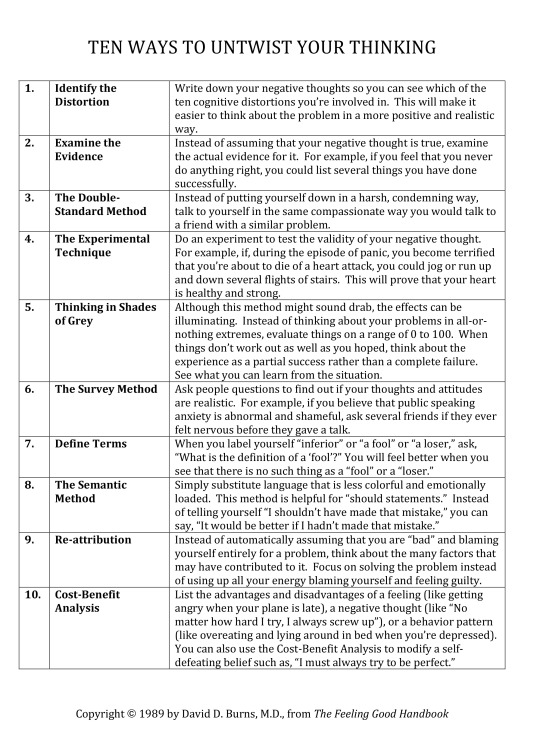
During my first month with my therapist, I was given this worksheet to read and work on. She noticed that while I was talking with her, that my thoughts followed a lot of these. I wasn’t aware that my anxiety had brought me down paths of low self-worth and stinky thinking.
After a couple of weeks of talking with her, she gave me this worksheet to work on.
While, at first, I thought these weren’t going to work out, I was very surprised to see just how easy they were to use . My homework at that time was to identify which sort of thinking I used on the regular and which ones would best challenge them for me.
So, what do you think? Do any of the maladaptive thinking patterns sound like you? which ways would you like to untwist your thinking?
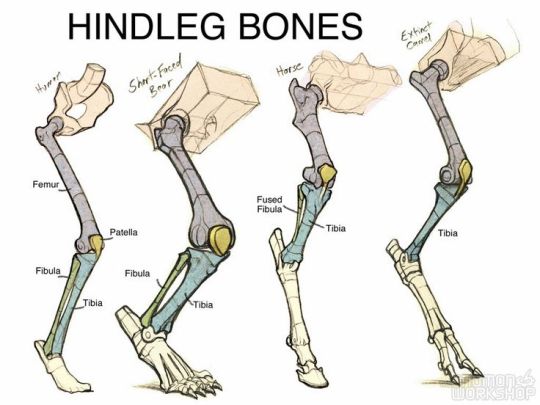
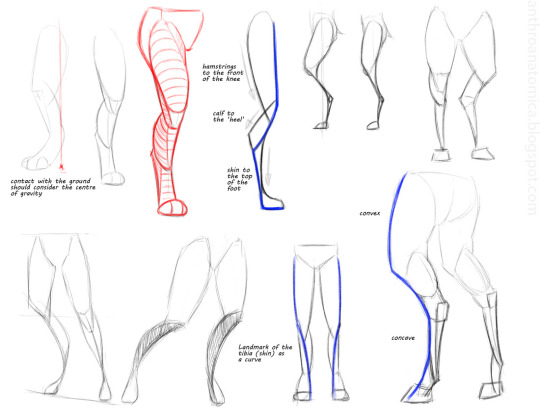
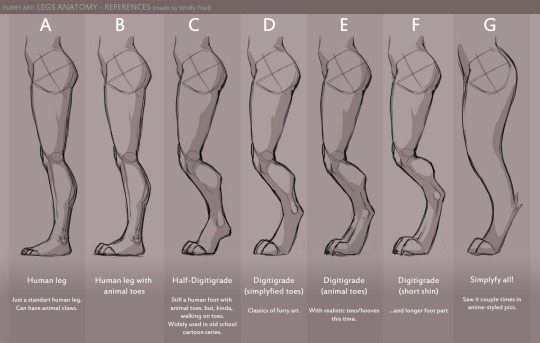
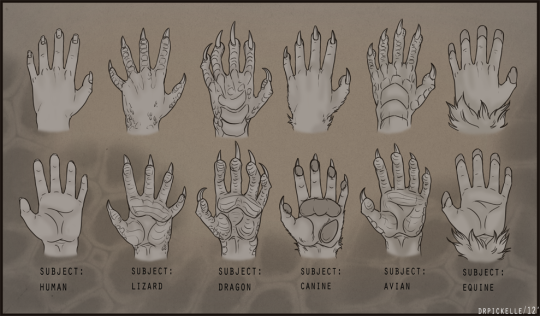
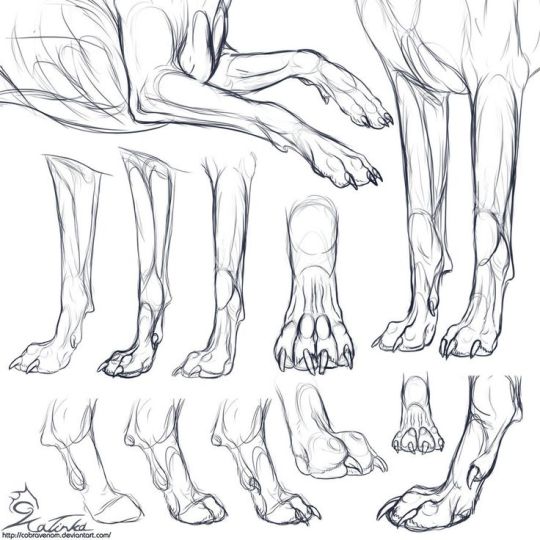
Finally revamped my ol’ realistic canine leg tutorial! The original is HERE
*PLEASE NOTE – this is a realistic, wild canine tutorial. Meaning if you prefer stylized anatomy feel free to ignore this tutorial. Also some of the do’s and don’ts here differ from domesticated canine anatomy.




 Chimaeric Archive