Look ya’ll, I don’t get caught-up, and I don’t bullshit – this is literally the most beautiful person I’ve ever seen in my entire life. And this isn’t some superficial shit. Trinity Bree is on some outerspace, evolutionary shit. Goddamn.
One of the thriftiest, most versatile ways to garden is what’s called Straw Bale gardening. Often cheaper than garden soil or fertilizer, straw bales are found virtually everywhere. Craigslist, home depot or other home improvement stores will sell them for pennies on the dime when push comes to shove.
But what can you grow?
The answer: just about anything.
Moisture and heat collect in the straw bale like a trap. Tomatoes, corn and other tall plants can break the bale apart the taller they get, but potatoes and herbs will thrive in your bale.
Hay bales start to decompose just hours after they get wet and can provide an atmosphere better than your greenhouse. By digging a hole into your bale, dropping in some soil around your plants and packing it firmly, you’ll add some stability to your plant and as your bale decomposes, it will provide a steady source of nutrition all throughout the growing season.
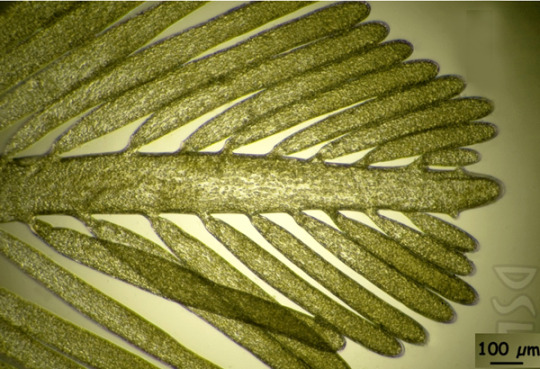
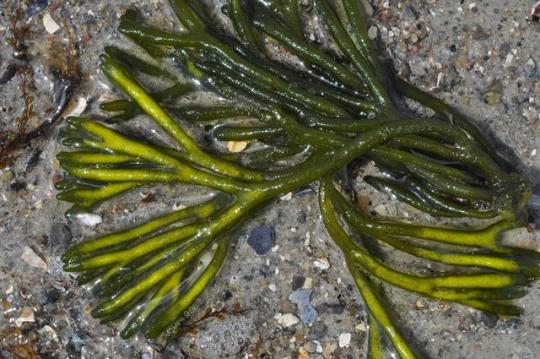
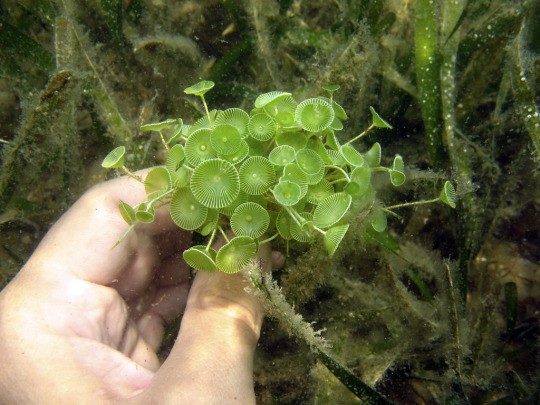
I see doubt in the notes so just wanted to say that YES, this is a unicellular organism! This is a species from a genus of green algae called Caulerpa, which are a siphonous algae. The frond shapes, the “rhizomes” it grows from, and the “roots” it extends into substrate are all extensions of a single multi-nucleate cell. Here’s what a siphonous alga looks like under a microscope, with no divisions in its cytoplasm:
It’s not the only algae like this, either! Caulerpa is a member of order Bryopsidales, which are all siphonous. Here’s some more macroscopic single cell algae:
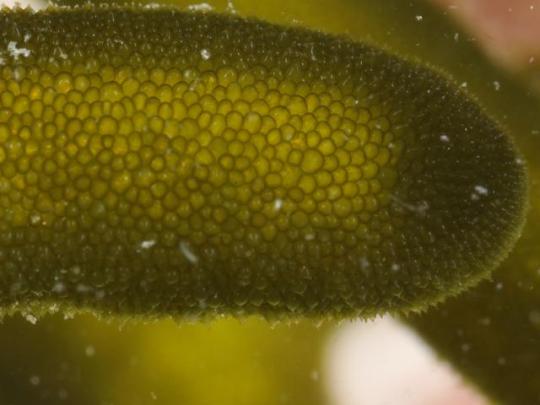
Codium fragile, or dead man’s fingers. This one is a single long noodle of a cell with swollen growths on the outside called urtricles, packed together to create a firm “skin.”
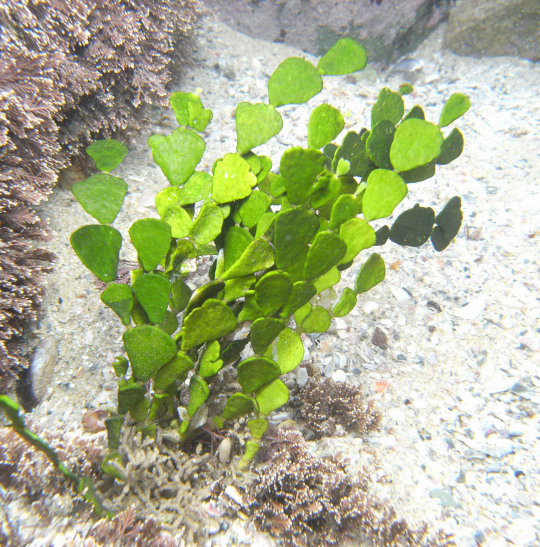
Halimenia, a calcified algae whose shed growths are responsible for a lot of the beautiful white sand on tropical beaches:


 Chimaeric Archive